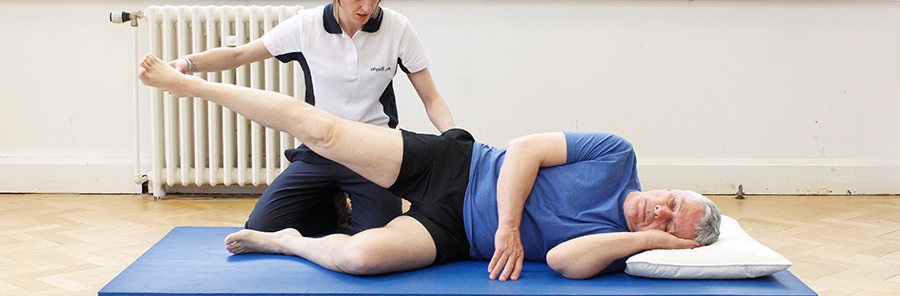
• Many patients with neurological conditions struggle with a loss of range of motion or function, muscle weakness, decreased balance and stamina, which may severely affect their daily routines. Targeted to improve strength, movement, balance and coordination, neurological physiotherapy works by stimulating the nervous system through various activities and exercises. Not only does neurological physiotherapy help with a patient’s mobility related disorders, it also helps them gain a better outlook and confidence on their conditions by improving their overall quality of life through: Increased stamina and endurance | Improved walking | Better balance and coordination | Optimized function on affected areas | Increased strength and less tension in affected muscles | Reduced contractures | Optimized independence.